

Toyota Dashboard Lights Demystified: How to Interpret and Respond to Common Warning Signals
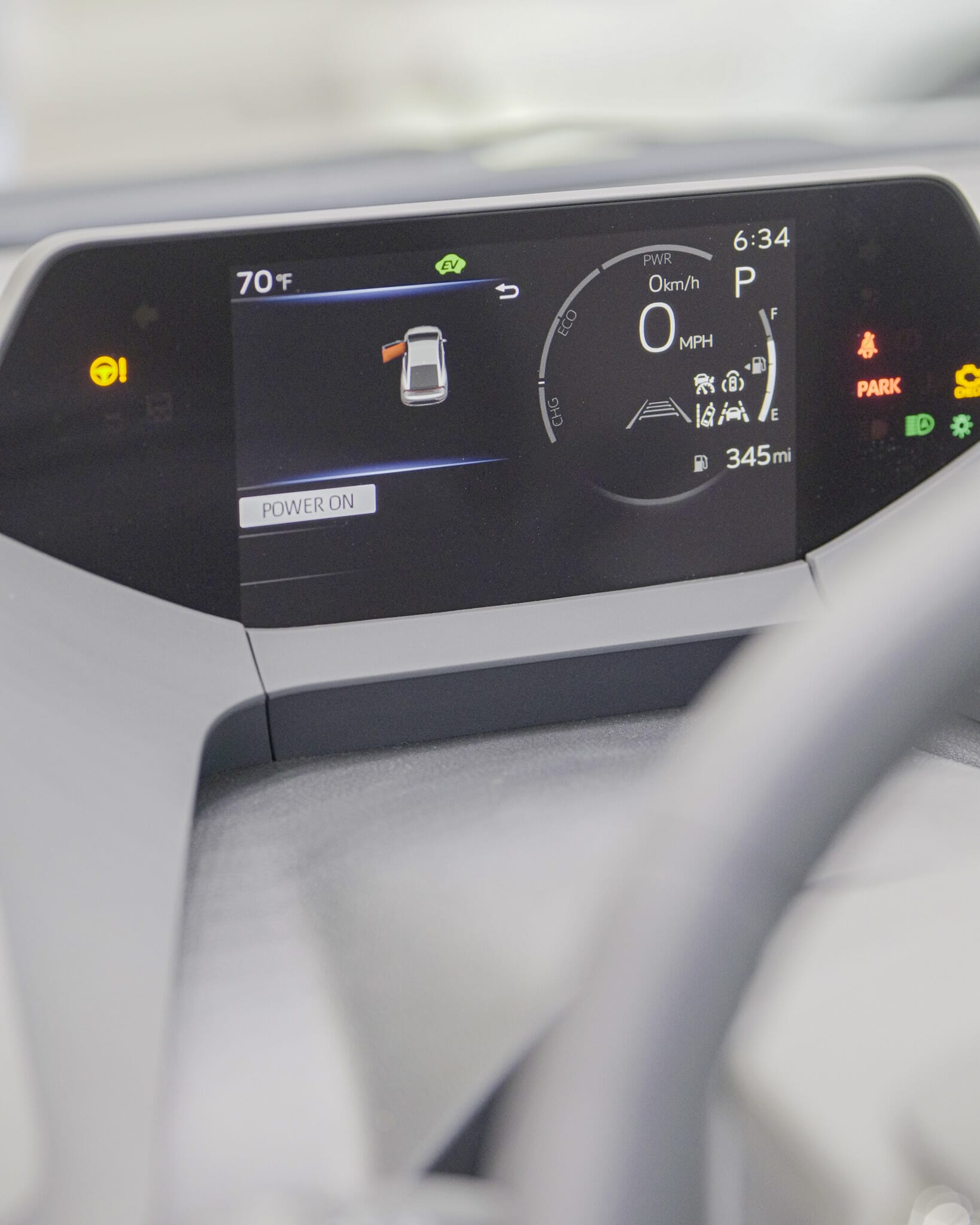
Driving a Toyota can be a smooth and enjoyable experience, but what happens when those dashboard lights start to illuminate? Understanding the meaning behind these warning signals is essential to maintaining your vehicle’s performance and ensuring your safety on the road. In this comprehensive guide, we demystify Toyota dashboard lights and provide you with the knowledge you need to interpret and respond to them effectively.
Whether it’s a check engine light, ABS warning, or tire pressure indicator, we break down the most common warning signals and explain what they mean for your vehicle. Our expert tips will help you navigate the sometimes confusing world of dashboard lights, empowering you to take the appropriate action to resolve any issues.
With decades of experience, Toyota has designed their dashboard lights to communicate critical information about various systems and components of your vehicle. By understanding these signals, you’ll be well-equipped to address any potential problems before they escalate.
Don’t let those dashboard lights leave you in the dark – read on and discover how to interpret and respond to common warning signals in your Toyota.
Importance of understanding dashboard warning signals
Your vehicle’s dashboard lights serve as an early warning system, alerting you to potential issues that may require your attention. Ignoring these warning signals can lead to further damage to your vehicle or even compromise your safety. That’s why it’s crucial to understand the importance of interpreting and responding to these dashboard lights promptly.
When a warning light appears on your dashboard, it indicates that a specific system or component in your Toyota requires attention. By familiarizing yourself with these warning signals, you can take immediate action to address the underlying problem, preventing further damage or potential breakdowns.
Common Toyota dashboard warning lights and their meanings
Toyota vehicles come equipped with a wide range of dashboard warning lights, each designed to indicate a specific issue. Here are some of the most common warning lights you may encounter and their meanings:
1. Check Engine Light: This light, often shaped like an engine, indicates a problem with your vehicle’s engine or emissions system. It could be something as simple as a loose gas cap or a more complex issue that requires professional attention.
2. ABS Warning Light: The ABS (Anti-lock Braking System) warning light alerts you to a potential problem with your vehicle’s braking system. It could indicate a fault in the ABS module, a problem with the brake fluid, or an issue with the wheel speed sensors.
3. Tire Pressure Indicator: This light, typically resembling an exclamation mark inside a horseshoe, indicates that your tire pressure is too low. It’s important to address this warning promptly, as improper tire pressure can lead to reduced fuel efficiency, decreased traction, and increased risk of a blowout.
4. Battery Warning Light: When this light, shaped like a battery, illuminates, it indicates a problem with your vehicle’s charging system. It could mean a faulty alternator, a loose or damaged battery connection, or a failing battery.
5. Oil Pressure Warning Light: This light, resembling an oil can, alerts you to low oil pressure in your vehicle’s engine. Low oil pressure can result in engine damage if not addressed promptly, so it’s crucial to pull over, check your oil level, and seek professional help if necessary.
Understanding the meanings of these common Toyota dashboard warning lights will empower you to take immediate action when they appear, ensuring the longevity and reliability of your vehicle.
Understanding the severity of warning lights
Not all dashboard warning lights are created equal. Some indicate minor issues that can be addressed at your convenience, while others signify more severe problems that require immediate attention. Understanding the severity of warning lights will help you determine the appropriate course of action.
For instance, a solid check engine light may indicate a minor issue, such as a loose gas cap, that can be resolved without immediate attention. However, a flashing check engine light suggests a more severe problem, such as a misfire, that requires immediate professional assistance.
Similarly, a tire pressure indicator light may require a simple inflation of your tires, while a red oil pressure warning light should prompt you to pull over and shut off your vehicle to prevent further engine damage.
By understanding the severity of warning lights, you can make informed decisions about when to address the issue yourself and when to seek professional help.
Steps to take when a warning light comes on
When a warning light illuminates on your Toyota’s dashboard, it’s essential to take the appropriate steps to address the issue. Here’s a step-by-step guide to help you navigate the situation:
1. Don’t panic: Stay calm and focused. Panic can cloud your judgment and lead to poor decision-making.
2. Identify the warning light: Take note of the warning light and its shape, color, and any accompanying symbols. This information will help you identify the problem more accurately.
3. Refer to your owner’s manual: Consult your Toyota’s owner’s manual for specific information about the warning light and its meaning. The manual will also provide guidance on the appropriate response to the issue.
4. Assess the situation: Consider the severity of the warning light and the conditions in which it appeared. If it’s a minor issue that doesn’t affect your vehicle’s immediate safety, you may choose to address it later. However, if it’s a severe problem or poses a safety risk, take immediate action.
5. Take appropriate action: Depending on the warning light, you may need to perform simple troubleshooting steps, such as checking your gas cap or inflating your tires. If you’re unsure or the issue requires professional attention, contact a qualified mechanic or your local Toyota dealership.
By following these steps, you can effectively respond to warning lights and ensure the health and safety of your Toyota.
Tips for preventing dashboard warning lights from appearing
While it’s impossible to prevent all dashboard warning lights from appearing, there are several proactive measures you can take to minimize their occurrence. Here are some tips to help you prevent dashboard warning lights from ruining your driving experience:
1. Perform regular maintenance: Stick to your Toyota’s recommended maintenance schedule. Regular oil changes, tire rotations, and fluid checks can help prevent many common issues that trigger dashboard warning lights.
2. Check your vehicle before driving: Before hitting the road, take a few minutes to inspect your vehicle. Check your tire pressure, ensure all lights are functioning properly, and look for any signs of leaks or damage.
3. Address issues promptly: If you notice any unusual sounds, smells, or performance issues with your Toyota, don’t ignore them. Addressing these issues promptly can prevent them from escalating into more significant problems.
4. Avoid rough driving: Aggressive driving, sudden braking, and excessive acceleration can put unnecessary strain on your vehicle’s systems and components. Drive responsibly to minimize the risk of triggering warning lights.
5. Keep your gas cap secure: A loose or damaged gas cap can trigger the check engine light. Ensure your gas cap is tightly sealed after refueling to prevent this issue.
By following these tips, you can reduce the likelihood of dashboard warning lights appearing and enjoy a smoother driving experience with your Toyota.
How to reset dashboard warning lights
In some cases, after addressing the underlying issue, you may need to reset the dashboard warning lights. Here’s a general guide on how to reset common warning lights in your Toyota:
1. Check the owner’s manual: Refer to your vehicle’s owner’s manual for specific instructions on how to reset dashboard warning lights. Different Toyota models may have different procedures.
2. Disconnect the battery: If the warning light persists after resolving the issue, you can try disconnecting the negative terminal of your vehicle’s battery for a few minutes. This action can reset the system and clear the warning lights. However, keep in mind that disconnecting the battery may also reset other settings, such as radio presets.
3. Use a diagnostic tool: If you have access to a diagnostic tool, you can use it to clear the dashboard warning lights. These tools connect to your vehicle’s onboard computer system and provide access to various functions, including resetting warning lights.
Remember, resetting dashboard warning lights should only be done after addressing the underlying issue. If the warning light continues to appear, it’s best to seek professional assistance to avoid potential risks.
When to seek professional help for dashboard warning lights
While some dashboard warning lights can be resolved with simple troubleshooting, others require professional attention. Here are some signs that indicate it’s time to seek professional help:
1. Flashing warning lights: If a warning light is flashing, it typically indicates a severe problem that requires immediate professional assistance. Ignoring a flashing warning light can lead to further damage or even endanger your safety.
2. Unusual noises or smells: If you notice any unusual noises or smells accompanying a warning light, it’s best to have a professional inspect your vehicle. These signs may indicate more complex issues that require specialized knowledge and equipment to diagnose and repair.
3. Lack of knowledge or experience: If you’re unsure about the meaning or severity of a warning light, it’s always better to err on the side of caution and consult a qualified mechanic or your local Toyota dealership. They have the expertise to accurately diagnose and resolve the issue.
4. Repeated warning light appearances: If a particular warning light keeps reappearing, even after you’ve attempted to address the issue, it’s a sign that there may be an underlying problem that requires professional attention. Continuing to ignore the warning light can lead to further complications.
Remember, your safety and the proper functioning of your Toyota are paramount. If you’re in doubt, it’s always better to seek professional help rather than risking further damage to your vehicle.
Resources for further information on Toyota dashboard lights
If you’re interested in delving deeper into the world of Toyota dashboard lights, there are several resources available to help you expand your knowledge. Here are a few recommended sources:
1. Toyota Owner’s Manual: Your Toyota’s owner’s manual is an invaluable resource for understanding dashboard warning lights specific to your vehicle. It provides detailed explanations and instructions for responding to various warning signals.
2. Toyota Online Forums: Online forums dedicated to Toyota owners are a great place to connect with fellow enthusiasts and seek advice. Many forum members have extensive knowledge and experience with specific dashboard warning lights and can provide valuable insights.
3. Toyota Dealerships and Service Centers: Your local Toyota dealership or service center is staffed with trained professionals who can answer your questions and provide expert guidance on dashboard warning lights. They have access to the latest information and diagnostic tools to accurately address any issues.
By utilizing these resources, you can enhance your understanding of Toyota dashboard lights and become more confident in interpreting and responding to warning signals.
Conclusion: Taking control of your Toyota dashboard lights

In conclusion, understanding Toyota dashboard lights is crucial for maintaining your vehicle’s performance and ensuring your safety on the road. By familiarizing yourself with the meanings of common warning lights, assessing their severity, and taking appropriate action when they appear, you can prevent further damage and address issues promptly.
Remember to follow regular maintenance schedules, address issues promptly, and seek professional assistance when needed. By taking control of your Toyota dashboard lights, you can enjoy a smoother and more worry-free driving experience.
Don’t let those dashboard lights leave you in the dark – take charge and drive with confidence in your Toyota.
Book your car service at: Service Center
0 comment(s) so far on Toyota Dashboard Lights Demystified: How to Interpret and Respond to Common Warning Signals